Fun Ways to Teach Problem-Solving Skills to Preschoolers
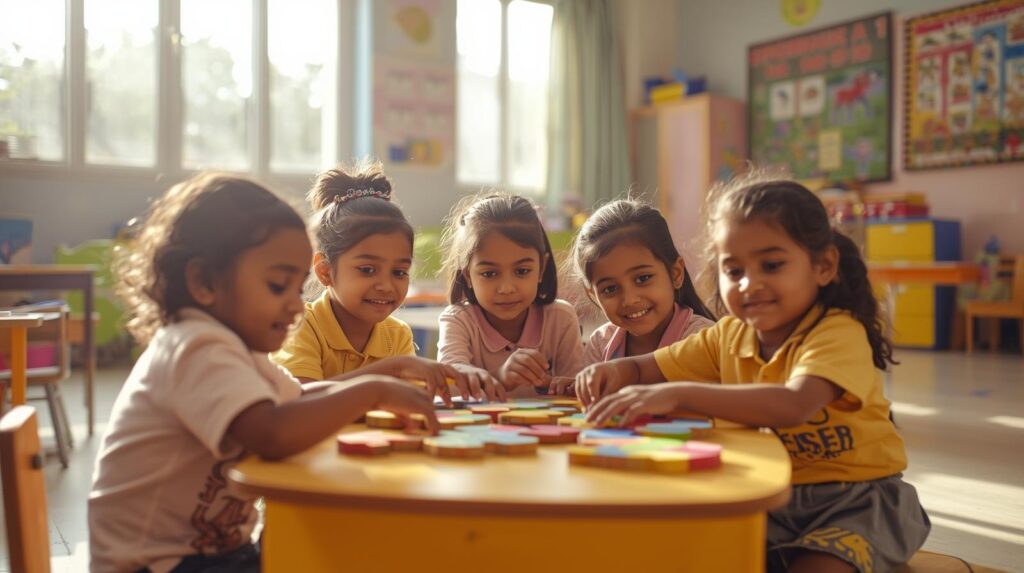
Problem-solving is one of the most important life skills a child can develop. During the preschool years, children are naturally curious, eager to explore, and ready to learn through experience. This is the perfect time to introduce simple problem-solving activities that help them think, analyze, and make decisions independently. The best part? Learning happens most effectively when it feels like play.
Here are some fun and engaging ways to teach problem-solving skills to preschoolers:
1. Puzzle Play
Puzzles are a classic and powerful learning tool. Whether it’s a simple shape puzzle, jigsaw puzzle, or matching game, children learn to identify patterns, recognize shapes, and figure out how pieces fit together. As they try different possibilities, they develop patience and logical thinking. Start with large, easy puzzles and gradually increase the difficulty as their confidence grows.
2. Building and Construction Activities
Blocks, magnetic tiles, and building toys encourage children to think creatively. When building a tower that keeps falling, they naturally begin to ask, “Why did it fall?” and “What can I do differently?” This process of trial and error strengthens reasoning skills and resilience. Encourage children to experiment with balance, size, and structure.
3. Role-Playing Games
Pretend play is more than just fun—it’s an opportunity to solve real-life scenarios. Playing “grocery store,” “doctor,” or “teacher” helps children think through situations and make decisions. For example, if a toy is “sick,” what should the doctor do? These small challenges encourage children to analyze problems and come up with creative solutions.
4. Storytelling with Questions
Reading stories together is a wonderful way to develop thinking skills. Pause during the story and ask open-ended questions like, “What do you think will happen next?” or “How can the character solve this problem?” This encourages children to predict outcomes and think critically.
5. Sorting and Matching Activities
Sorting objects by color, size, or shape teaches children to recognize similarities and differences. You can use everyday items like buttons, leaves, or toys. These activities improve observation skills and logical reasoning in a playful way.
6. Outdoor Exploration
Nature provides endless opportunities for problem-solving. Building a sandcastle, figuring out how to cross a small puddle, or creating a path using stones encourages children to think and experiment. Outdoor play also helps build confidence and independence.
7. Simple Challenges and Riddles
Introduce age-appropriate riddles or mini challenges like, “How can we move this ball without touching it?” These small brain teasers promote creativity and flexible thinking.
Encouraging a Problem-Solving Mindset
As parents and educators, the key is not to provide immediate answers. Instead, guide children with gentle questions such as, “What else can you try?” or “What do you think will happen?” Celebrate their efforts, not just the outcome. This builds confidence and teaches them that making mistakes is part of learning.
By incorporating playful problem-solving activities into daily routines, we help preschoolers develop critical thinking, creativity, and independence—skills that will support them throughout their academic journey and beyond. When learning is joyful and engaging, children naturally grow into confident problem-solvers ready to take on the world.
Posted in Preschool
Tagged #art #classroom #Music #tinkertots Preschool
Archives
- February 2026
- January 2026
- December 2025
- November 2025
- October 2025
- September 2025
- August 2025
- July 2025
- June 2025
- May 2025
- April 2025
- March 2025
- February 2025
- January 2025
- December 2024
- November 2024
- October 2024
- September 2024
- August 2024
- July 2024
- May 2024
- April 2024
- March 2024
- February 2024
- January 2024
- December 2023
- November 2023
- October 2023
- September 2023
- August 2023
- July 2023
- April 2023
- March 2023
- January 2023
Recent Posts






1st Floor, #106, Ganesh Glory, Jagatpur Road, Gota, Ahmedabad, Gujarat 382470
© 2025. All Rights Reserved by Tinker Tots
© 2023 Tinkertots. All Rights Reserved.