Sensory play is one of the most effective and enjoyable ways for preschoolers to learn and explore the world around them. It involves activities that stimulate a child’s senses, including touch, sight, sound, smell, and sometimes taste. Through sensory play, children develop important skills such as problem-solving, creativity, language development, and fine motor coordination while having fun.
Preschool-aged children are naturally curious and love hands-on experiences. Sensory activities encourage exploration and help children make sense of their surroundings. The best part is that many sensory play activities can be created using simple materials found at home.
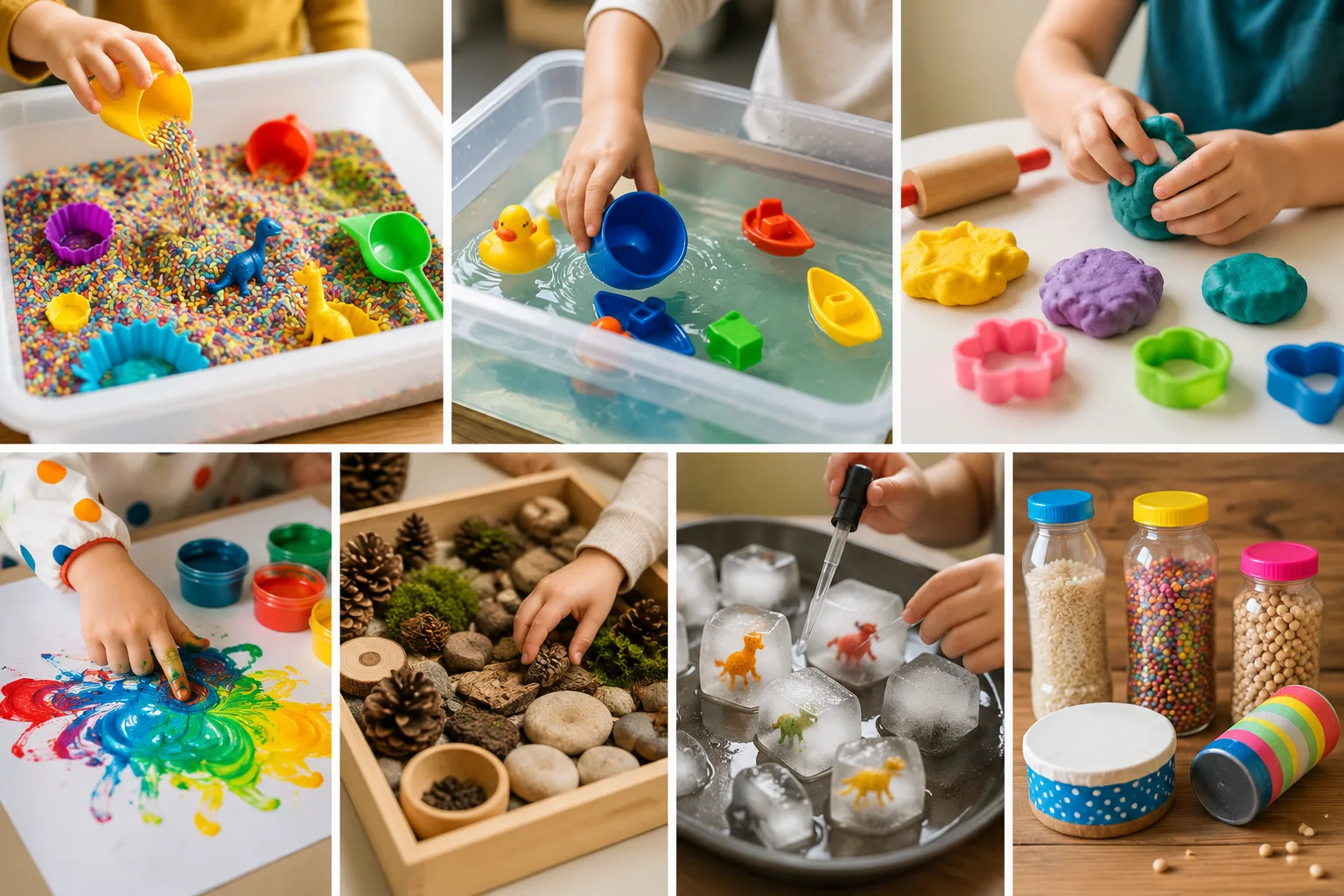
One of the most popular sensory activities is a sensory bin. Fill a container with materials such as rice, beans, sand, or pasta and add scoops, cups, and small toys. Children can pour, sort, and explore different textures while improving hand-eye coordination and fine motor skills.
Water play is another favorite among preschoolers. A tub filled with water, floating toys, cups, and funnels can keep children engaged for hours. Water activities help develop coordination, introduce basic science concepts, and encourage imaginative play. Adding colored water or floating objects can make the experience even more exciting.
Playdough activities provide endless opportunities for sensory exploration. Children can roll, squeeze, flatten, and shape playdough into various objects. Adding cookie cutters, plastic utensils, and stamps helps strengthen hand muscles that are essential for future writing skills.
For children who enjoy getting creative, finger painting is an excellent sensory activity. The feeling of paint on their fingers allows them to explore textures while expressing their creativity. Parents and teachers can introduce different colors and encourage children to create unique artwork.
Another fun idea is creating a nature sensory tray. Collect leaves, flowers, stones, sticks, and pinecones during a nature walk. Allow children to touch, sort, and describe the items they find. This activity not only stimulates the senses but also helps children develop observation and language skills.
Ice play can be both educational and entertaining. Freeze small toys inside ice cubes and let children explore ways to release them using warm water, spoons, or droppers. This activity introduces concepts such as temperature, melting, and cause and effect.
For auditory sensory development, try making simple musical instruments using household items. Shakers made from containers filled with rice or beans allow children to experiment with different sounds and rhythms while developing listening skills.
Sensory play offers much more than entertainment. It supports cognitive growth, encourages creativity, improves social interaction, and helps children build confidence through independent exploration. These activities also provide opportunities for children to develop patience, concentration, and problem-solving abilities.
At preschool and at home, sensory play should be a regular part of a child’s learning journey. By providing engaging and age-appropriate sensory experiences, parents and educators can help children discover, learn, and grow in a fun and meaningful way.
After all, some of the best learning happens when little hands are busy exploring and curious minds are free to imagine.
Posted in Preschool
Tagged #art #classroom #Music #tinkertots Preschool
Archives
- August 2026
- July 2026
- June 2026
- May 2026
- April 2026
- March 2026
- February 2026
- January 2026
- December 2025
- November 2025
- October 2025
- September 2025
- August 2025
- July 2025
- June 2025
- May 2025
- April 2025
- March 2025
- February 2025
- January 2025
- December 2024
- November 2024
- October 2024
- September 2024
- August 2024
- July 2024
- May 2024
- April 2024
- March 2024
- February 2024
- January 2024
- December 2023
- November 2023
- October 2023
- September 2023
- August 2023
- July 2023
- April 2023
- March 2023
- January 2023





1st Floor, #106, Ganesh Glory, Jagatpur Road, Gota, Ahmedabad, Gujarat 382470
© 2026. All Rights Reserved by Tinker Tots
© 2026 Tinkertots. All Rights Reserved.