How to Support Your Child’s Learning at Home
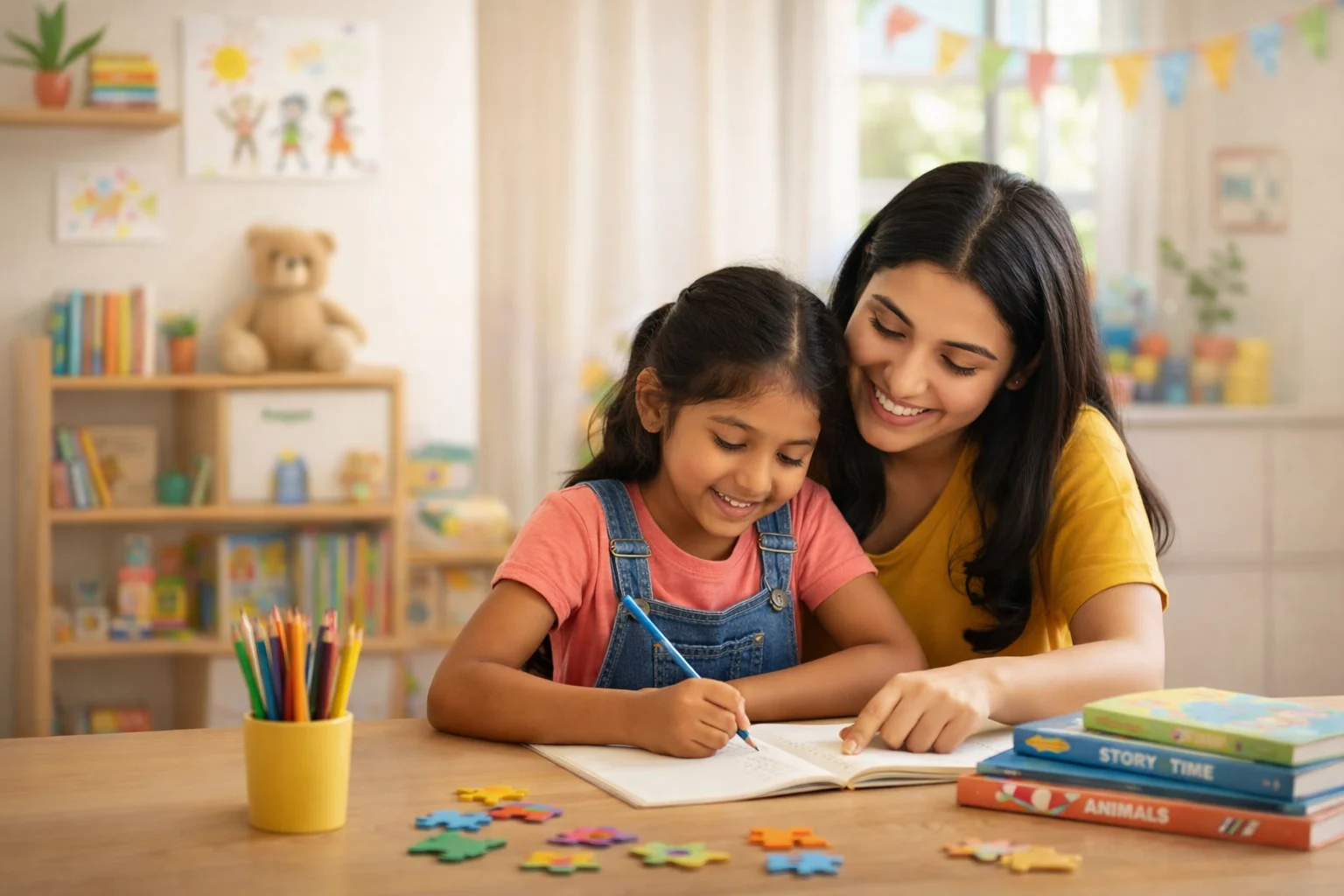
A child’s learning journey doesn’t begin and end in the classroom—it continues at home every single day. As a parent, you play a vital role in shaping your child’s curiosity, confidence, and love for learning. The good news is, supporting your child’s education at home doesn’t require special training or expensive tools. Simple, consistent efforts can make a big difference.
One of the most effective ways to support learning is by creating a positive and structured environment. Set aside a quiet, comfortable space where your child can focus on activities like reading, drawing, or homework. Having a routine also helps children feel secure and organized. Fixing regular times for study, play, meals, and sleep encourages discipline and better time management from an early age.
Encouraging curiosity is another key aspect of home learning. Children are naturally curious, and parents can nurture this by answering their questions patiently and engaging in meaningful conversations. Instead of giving direct answers, try asking questions back—this helps develop critical thinking. For example, if your child asks why the sky is blue, you can turn it into a fun discussion or even a small experiment.
Reading together is one of the most powerful habits you can build. Make reading a daily activity, even if it’s just for 15–20 minutes. Storybooks not only improve language and vocabulary but also enhance imagination and emotional understanding. Let your child pick books that interest them, and discuss the story afterward to build comprehension skills.
Learning through play is equally important, especially for younger children. Activities like puzzles, building blocks, art and craft, and role-playing games help develop cognitive, motor, and social skills. Play-based learning keeps children engaged and makes education enjoyable rather than stressful. You can also involve your child in everyday activities like cooking or shopping, which naturally teach math, problem-solving, and life skills.
In today’s digital age, managing screen time is essential. While educational apps and videos can be helpful, it’s important to maintain a healthy balance. Encourage more hands-on activities and real-world experiences instead of excessive screen usage. Setting clear limits ensures that technology supports learning rather than becoming a distraction.
Positive reinforcement goes a long way in building confidence. Appreciate your child’s efforts, not just results. Celebrate small achievements and encourage them when they make mistakes. This helps children develop a growth mindset, where they see challenges as opportunities to learn rather than obstacles.
Communication with teachers is also important. Stay updated on your child’s progress, strengths, and areas of improvement. When parents and teachers work together, children receive consistent support, both at school and at home.
Lastly, be a role model. Children learn by observing their parents. Show interest in learning new things, reading, or solving problems. Your attitude toward learning will influence your child’s mindset.
Supporting your child’s learning at home is not about pressure or perfection—it’s about creating a nurturing environment where they feel encouraged to explore, ask questions, and grow. With your support, learning can become a joyful and lifelong journey.
Posted in Preschool
Tagged #art #classroom #Music #tinkertots Preschool
Archives
- August 2026
- July 2026
- June 2026
- May 2026
- April 2026
- March 2026
- February 2026
- January 2026
- December 2025
- November 2025
- October 2025
- September 2025
- August 2025
- July 2025
- June 2025
- May 2025
- April 2025
- March 2025
- February 2025
- January 2025
- December 2024
- November 2024
- October 2024
- September 2024
- August 2024
- July 2024
- May 2024
- April 2024
- March 2024
- February 2024
- January 2024
- December 2023
- November 2023
- October 2023
- September 2023
- August 2023
- July 2023
- April 2023
- March 2023
- January 2023





1st Floor, #106, Ganesh Glory, Jagatpur Road, Gota, Ahmedabad, Gujarat 382470
© 2026. All Rights Reserved by Tinker Tots
© 2026 Tinkertots. All Rights Reserved.